Case Study: Successful Eco-Friendly Home Renovation in West Palm Beach


In recent years, eco-friendly home renovations have gained significant traction as homeowners become more conscious of their environmental impact. A shining example of this trend is a recent renovation project in West Palm Beach, where a traditional home was transformed into a sustainable haven.
Initial Assessment and Planning
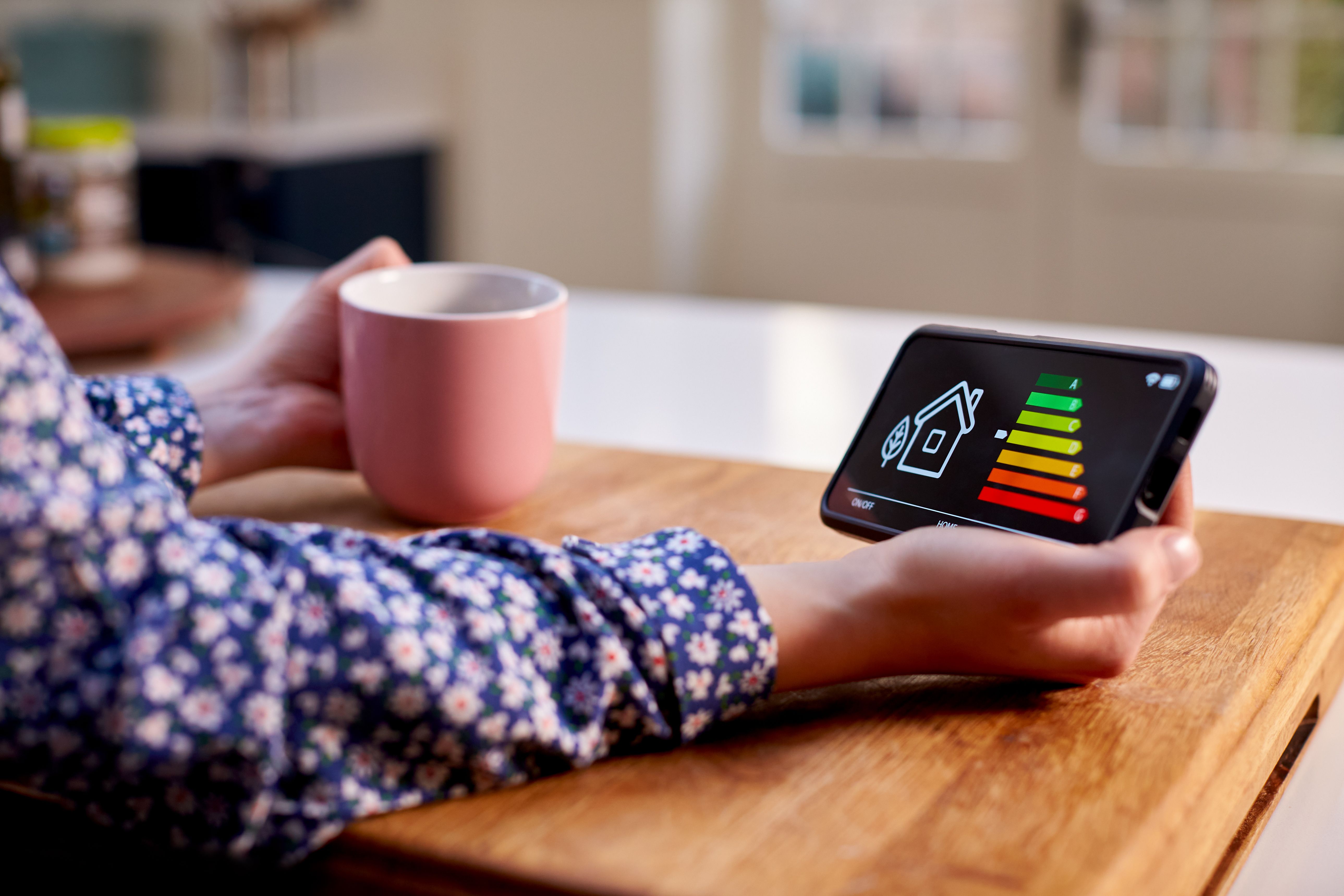
Before the renovation began, a comprehensive assessment of the existing structure was conducted. This included evaluating the building's energy efficiency, material usage, and potential areas for improvement. The primary goal was to reduce the home's carbon footprint while enhancing its aesthetic appeal.
During the planning phase, sustainable practices were prioritized. The team decided to focus on utilizing recycled materials, improving insulation, and incorporating energy-efficient systems. A detailed plan was laid out, ensuring that every aspect of the renovation was aligned with eco-friendly principles.
Implementation of Sustainable Materials
One of the standout features of the renovation was the use of sustainable materials. Reclaimed wood was used for flooring and cabinetry, providing a rustic yet modern look. Additionally, eco-friendly paints and finishes were chosen to minimize volatile organic compounds (VOCs) and improve indoor air quality.

The team also sourced locally-produced materials to reduce transportation emissions. This not only supported local businesses but also ensured that the carbon footprint associated with material transport was minimal.
Energy Efficiency Enhancements
Improving the home's energy efficiency was a key component of the renovation. High-performance windows and doors were installed to reduce heat loss. Additionally, a state-of-the-art insulation system was implemented, significantly lowering heating and cooling costs.
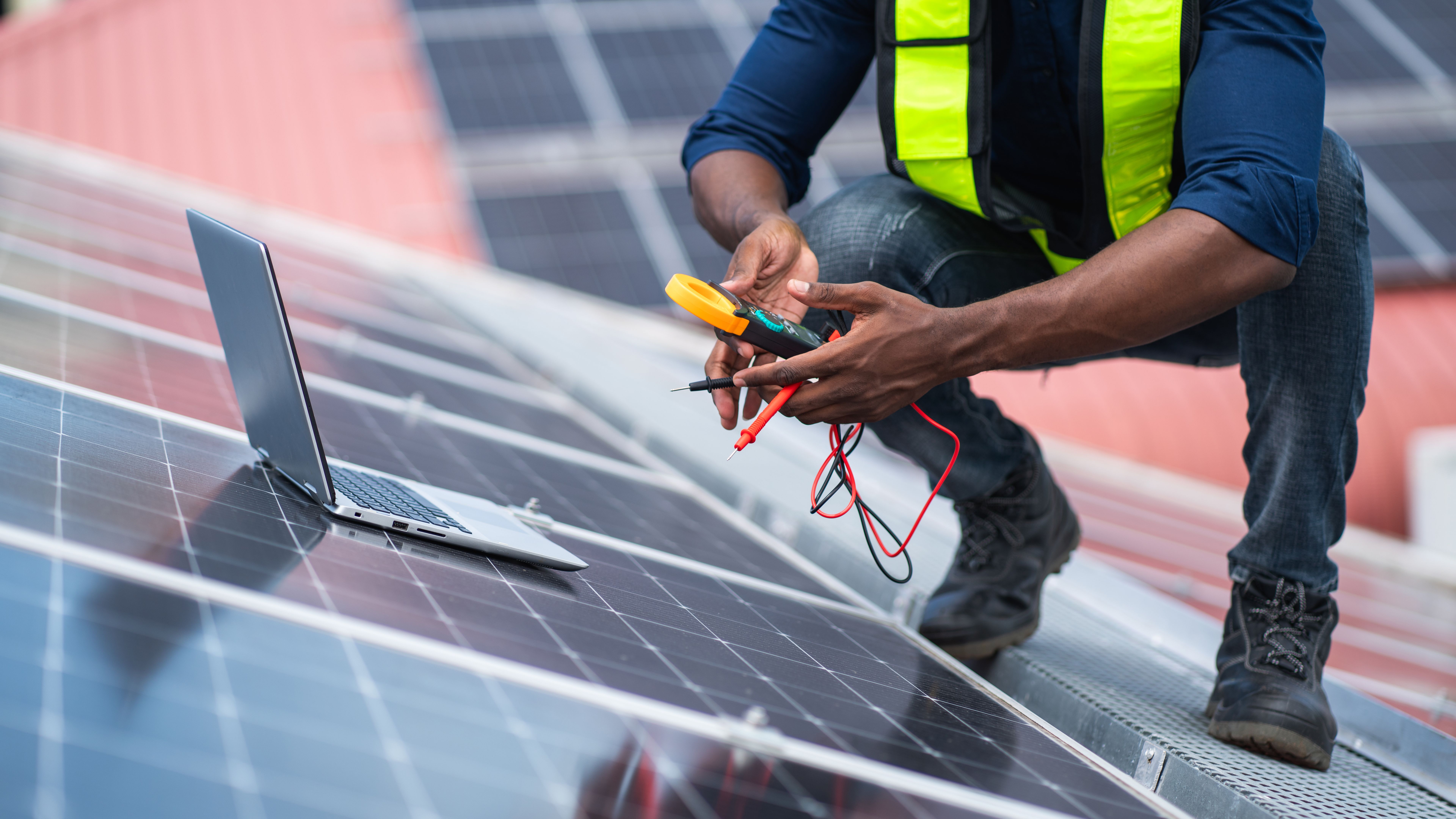
Solar panels were another critical addition, allowing the home to harness renewable energy. This not only reduced reliance on non-renewable energy sources but also provided significant cost savings on electricity bills.
Water Conservation Strategies
Water conservation was a crucial aspect of the renovation. Low-flow fixtures were installed in bathrooms and kitchens to reduce water usage. Additionally, a rainwater harvesting system was implemented, allowing the homeowners to collect and use rainwater for irrigation and other non-potable purposes.
Results and Benefits
The renovation resulted in a substantial reduction in the home’s environmental impact. Energy consumption decreased by over 40%, and water usage was significantly reduced. The homeowners also reported a noticeable improvement in indoor air quality, contributing to a healthier living environment.
This case study demonstrates the potential of eco-friendly renovations to transform traditional homes into sustainable spaces. The project in West Palm Beach serves as an inspiring example for homeowners looking to reduce their environmental footprint while enhancing their living spaces.